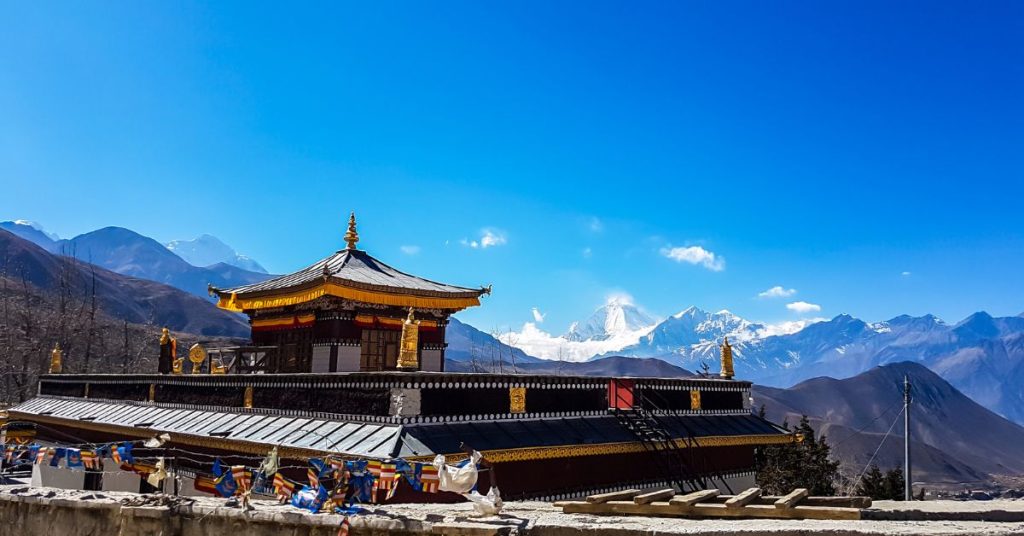
Muktinath-Jomsom Tour
Season
All year round
Start
Kathmandu
End
Kathmandu
Duration
7 Nights 8 Days
Overview
Welcome to the enchanting land of Nepal, where ancient traditions blend harmoniously with breathtaking natural beauty. Embark on an unforgettable journey through the heart of Nepal, exploring the cultural gems of Kathmandu, the serene lakeside town of Pokhara, and the wildlife haven of Chitwan. This comprehensive road trip will take you on a captivating adventure, allowing you to immerse yourself in the rich heritage, stunning landscapes, and thrilling wildlife encounters that Nepal has to offer. From the bustling streets of Kathmandu to the tranquil lakes of Pokhara and the lush jungles of Chitwan, this tour promises an incredible fusion of cultural discovery and natural exploration. Let the adventure begin!
Major Highlights
Kathmandu City Tour
Pokhara City Tour
Chitwan National Park
Jungle Activities
Cultural Shows
Elephant/Jeep Safari
Itinerary
Upon your arrival at Kathmandu Airport, you will be warmly greeted by our representative and transferred to your hotel. Take some time to relax and acclimate to the vibrant atmosphere of the capital city.
Today, embark on a mesmerizing journey through the historic and cultural wonders of Kathmandu. Explore Kathmandu Durbar Square, a UNESCO World Heritage Site, and marvel at its ancient temples, palaces, and intricate woodwork. Visit Pashupatinath Temple, one of the holiest Hindu temples dedicated to Lord Shiva, and witness the sacred rituals taking place on the banks of the Bagmati River. Continue to Swayambhunath, the iconic Monkey Temple, perched atop a hill, offering panoramic views of the city. Afterward, visit the revered Bouddhanath Stupa, a center of Tibetan Buddhism, where you can soak in the spiritual ambiance. Conclude the day by exploring the architectural wonders of Bhaktapur Durbar Square, known for its exquisite temples, palaces, and traditional Newari craftsmanship.
Embark on a scenic road journey from Kathmandu to Pokhara, a picturesque town nestled in the lap of the Himalayas. As you drive through the winding roads, soak in the stunning vistas of terraced fields, quaint villages, and cascading rivers. Upon reaching Pokhara, check into your hotel and enjoy the rest of the day at leisure, surrounded by the serene beauty of Phewa Lake and the majestic Annapurna range.
Rise early in the morning to catch the breathtaking sunrise from Sarangkot viewpoint. Watch as the golden rays illuminate the Annapurna and Dhaulagiri mountain ranges, painting the sky with a stunning palette of colors. Afterward, embark on a city tour of Pokhara, starting with a visit to Bindhyabasini Temple, a revered Hindu shrine dedicated to the goddess Durga. Explore the dramatic Seti River Gorge, where the milky-white waters flow through the deep crevices of the rock formation. Continue to Devi’s Fall, a mesmerizing waterfall that disappears into an underground cavern. Experience tranquility at the World Peace Pagoda, offering panoramic views of Pokhara Valley. Conclude the day by visiting the picturesque Pumdikot viewpoint or the awe-inspiring Shiva Statue, where you can soak in the beauty of Pokhara’s landscapes.
Embark on a scenic road journey from Pokhara to Chitwan, as you leave the mountains behind and venture into the lush plains of southern Nepal. Arrive in Chitwan, a renowned national park, and check into your accommodation. Immerse yourself in the natural beauty and tranquility of the region, preparing for the exciting wildlife encounters that await.
Embark on a thrilling day of adventure in Chitwan’s Sauraha National Park. Embark on a jungle walk, accompanied by experienced guides, and witness the diverse flora and fauna of the region up close. Glide along the Rapti River in a canoe, immersing yourself in the peaceful surroundings while keeping an eye out for crocodiles and exotic bird species. Choose between a jeep safari or an elephant safari to explore deeper into the wilderness, and have the chance to spot rhinos, deer, monkeys, and maybe even the elusive Bengal tiger. Experience the local culture with a village tour, and in the evening, witness the vibrant Tharu Cultural Program, showcasing traditional music and dance. Conclude the day with a visit to the Elephant Breeding Center, where you can learn about conservation efforts and interact with adorable baby elephants.
Bid farewell to the wilderness of Chitwan as you embark on your return journey to Kathmandu. Enjoy the scenic drive through the countryside, reflecting on the incredible experiences and memories made during your time in Nepal.
After a wonderful journey through Kathmandu, Pokhara, and Chitwan, it’s time to say goodbye to Nepal. Our representative will transfer you to Kathmandu Airport for your departure flight, with a heart full of memories and a desire to return to this captivating country.
Pricing
- Standard: US$800 (Best for travelers on budget)
- Deluxe: US$1,000 (For ones seeking more comfort)
- Luxury: US$1,300 (Truly, a luxurious experience)
- Standard: US$700/person (Best for travelers on budget)
- Deluxe: US$900/person (For ones seeking more comfort)
- Luxury: US$1,200/person (Truly, a luxurious experience)
- Standard: US$600/person (Best for travelers on budget)
- Deluxe: US$800/person (For ones seeking more comfort)
- Luxury: US$1,100/person (Truly, a luxurious experience)
FAQs
- Transportation to Besisahar, and from Nayapul to Pokhara
- Meals (breakfast, lunch & dinner) provided during the trek
- Accommodation in lodges along the trekking route
- Experienced guide
- ACAP & TIMS permit
- Arrangement of emergency helicopter service (cost covered by your travel insurance)
- Nepal entry visa fee (obtainable upon arrival at Tribhuwan International Airport, Kathmandu)
- Porters
- Compulsory travel insurance (to be arranged separately)
- Personal expenses, including costs for drinking water, hot and cold drinks, and bar bills
- Additional charges for laundry, telephone usage, hot showers, and internet access
- Tips for the guide and porters
- Any expenses or services not specifically mentioned in the included section
The Annapurna Circuit Trek is considered a moderately challenging trek. It involves long days of walking and navigating varied terrains, including steep ascents and descents. The high altitude can also pose challenges, requiring proper acclimatization and physical fitness. However, with adequate preparation, including regular exercise and proper acclimatization, most trekkers with a reasonable level of fitness can complete the trek successfully. It is essential to consult with experienced guides, follow safety guidelines, and listen to your body throughout the journey.
To trek in Annapurna Region, you will need to obtain two permits: the Annapurna Conservation Area Permit (ACAP) and the Trekker’s Information Management System (TIMS) card. These permits are necessary to ensure the conservation and management of the Annapurna region and to maintain accurate records of trekkers in the area.
The best time to go on an Annapurna Circuit Trek is during the pre-monsoon (spring) and post-monsoon (autumn) seasons. The recommended months are as follows:
1. Spring (March to May): This is considered the best time to trek the Annapurna Circuit. The weather is generally clear and stable, with mild temperatures and blooming rhododendron forests, adding vibrant colors to the landscapes. The visibility is excellent, offering breathtaking views of the mountains.
2. Autumn (September to November): Another ideal time for the Annapurna Circuit Trek. The weather is cool and dry, with stable conditions. The skies are usually clear, providing magnificent views of the mountains and landscapes. The trails are bustling with trekkers, and the overall atmosphere is lively.
During these seasons, you can expect favorable weather conditions, less chance of rainfall, and moderate temperatures, making it comfortable for trekking. However, it’s important to note that weather patterns can vary, and it is always recommended to check the local weather forecast and consult with experienced guides or trekking agencies before planning your trek.
During the trek, you will be provided with modest and sanitary meals. It is recommended to opt for local cuisine, which is usually more hygienic than frozen or imported foods. Traditional Nepalese dishes like Dal Bhat (lentils and rice) are highly recommended as they provide the necessary carbohydrates and protein for trekking at high altitudes. Other options include Sherpa stew (Syakpa), seasonal vegetables, momo (dumplings), local cereals like barley, buckwheat, and millet, as well as noodles, sandwiches, and bakery products. It is advisable to avoid dairy and cheese products, alcoholic beverages, caffeinated drinks, and hot chocolates at higher altitudes.
Accommodation during the trek includes a range of options to suit different budgets. Teahouses and lodges are available along the route, offering comfortable amenities such as mattresses with cushions, electric blankets, hot and cold showers, and free Wi-Fi. The rooms are typically shared by two people and include basic furniture like a mattress, blanket, and pillow. If you prefer separate rooms, arrangements can be made accordingly.
- Trekking Boots: Sturdy and comfortable boots are essential for trekking in the Everest Region. Choose boots that provide good ankle support and have a durable sole to navigate various terrains.
- Sandals/Crocs: Having a pair of sandals or Crocs is useful for relaxing your feet in the evenings or during rest days. They are lightweight and easy to slip on and off.
- Few pairs of undergarments: Pack enough pairs of undergarments to last throughout your trek. Opt for moisture-wicking and quick-drying materials for comfort.
- High-quality down jacket and pant: The Everest Region can get cold, especially at higher altitudes. A high-quality down jacket and pant will provide insulation and keep you warm.
- Thermal wear: Thermal base layers are essential for layering and maintaining body heat. Pack both thermal tops and bottoms.
- T-shirts and trousers: Pack a few comfortable t-shirts and trousers for daily wear during the trek. Opt for lightweight and breathable materials.
- Trekking pole: A trekking pole can provide stability and support, especially during steep ascents and descents. It helps to reduce the strain on your legs and joints.
- A pair of gloves: Insulated and waterproof gloves are necessary to protect your hands from cold temperatures. They should provide dexterity for gripping trekking poles and other equipment.
- Woollen hat: A warm woollen hat or beanie is crucial for retaining heat and protecting your head from the cold.
- Sunglasses: Sunglasses with UV protection are essential to shield your eyes from the strong sunlight and glare at higher altitudes.
- Sunscreen: The sun’s rays are stronger at higher altitudes. Carry a high SPF sunscreen to protect your skin from sunburn.
- Water purification tablets: Clean drinking water is essential during the trek. Carry water purification tablets to treat water from local sources.
- Energy bars: Trekking in the Everest Region requires a lot of energy. Carry lightweight and high-energy snacks like energy bars to keep you fueled throughout the trek.
Have more questions? Talk with us
Looking for customized plan?
Contact us with the details and we will design customized trip tailored as per your requirement.