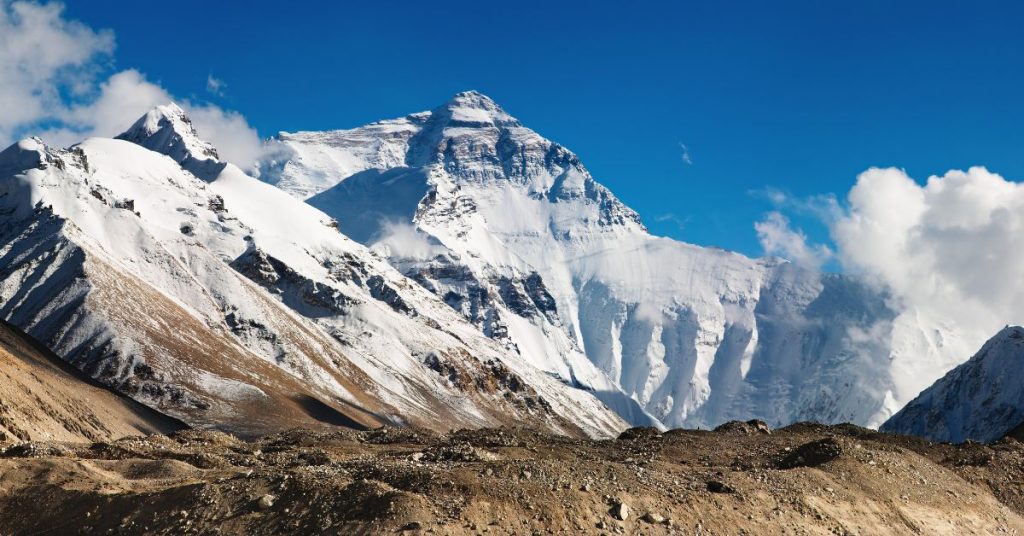
Everest Base Camp Trek
Season
March-May, October-November
Nearest City
Kathmandu
Difficulty
Moderate
Duration
12 Days
US$ 1,250
per person
up to US$ 250 per person discount for groups.
Overview
The Everest Region is the most popular trekking location in Nepal because of the stunning vistas and friendly locals (the Sherpas). This beautifully crafted route of a 12-day trek to Everest Base Camp brings you to one of the Himalayas’ lesser-known gems. It offers a heady mix of natural beauty, fascinating culture, a personal sense of accomplishment, and true Nepalese hospitality from the residents of the Solukhumbu region.
The base camp is the launching point for all climbers attempting to reach Mt. Everest, the world’s highest peak. The Everest region has a rich history of pride, glory, and sorrow. It is the most well-known trekking destination, attracting adventurers from around the world who consider it a once-in-a-lifetime adventure. The “friendly legendary Sherpas” are well known for their climbing skills and have escorted some of the most well-known expeditions to the summit of Everest.
The 12 Days Everest Base Camp Trek is renowned for leading trekkers to the base of the world’s tallest mountain, Mt. Everest. It is an expedition that goes beyond being just a trip. It feeds your soul with heavenly joy as you witness the outstanding scenery and rich cultural legacy of Nepal’s Himalayan region. The trek to the foot of Everest is an experience that cannot be summed up in mere words. And surprisingly, you can obtain the magical experience of seeing Everest from Kala Patthar, which is at a staggering height of 5545 m, without having to spend weeks slogging up to the summit.
During our guided EBC trekking trip, we will also observe rare bird species like the pheasant and long-tailed birds. Along the way, you can also witness musk deer, leopards, jackals, and mountain tahr, among other creatures. Join us on our 12-day adventure to the base camp of Everest, or contact us to customize an EBC trek to meet your specific needs. Embark on this thrilling journey with the assurance that our trained, experienced guides and porters will be there to accompany you at every stage.
Major Highlights
Lukla Airport
Namche Bazar
Sagarmatha National Park
Thukla Pass
Himalayan Panorama
Itinerary
After a brief drive to Kathmandu airport, you will embark on an early morning scenic flight that lasts around 35 minutes, taking you to the charming mountain airport of Lukla. Upon arrival, our experienced trekking guide will introduce you to the porters, and your trek will commence by following the mountainside along the left bank of the Dudh Koshi river. The initial leg of the trek to Phakding is relatively easy and offers picturesque views.
After enjoying breakfast at the lodge, we embark on our trek, following the course of the Dudh Koshi river. Along the way, we cross the river several times, taking in the scenic beauty of the surroundings. As we continue, we reach Jorsale, where we stop for a well-deserved lunch. Energized, we resume our trek and after a few hours of walking, the captivating village of Namche Bazar (3440m) unfolds before us. Surrounded on three sides by majestic mountain ranges, Namche Bazar is nestled in a location that opens up only towards the Dudh Koshi river. Serving as a central hub of the area, this vibrant village offers a wide array of food, sundries, and even mountain climbing equipment for those in need.
Nestled between two imposing ridges amidst the towering peaks of the Khumbu region, Namche Bazaar offers a delightful array of lodges, tea shops, and souvenir stores. Its location provides a breathtaking outlook, making it an ideal place to take a rest day for acclimatization before continuing towards Everest Base Camp.
To make the most of this acclimatization day, we embark on a scenic walk to Khumjung village via the Everest View Hotel in Syangbuche. Along the way, you will be treated to stunning vistas of the Himalayas, including the majestic Mt. Everest. Khumjung village is renowned for its dense Sherpa community and is home to an ancient monastery, which we will visit before returning to Namche Bazaar.
Following a satisfying breakfast at the lodge, we commence our trek by taking the ridge trail, which presents us with remarkable panoramic views of Thamserku, Kantega, and Kusum Kangrib. After a few hours of walking along the flat, zigzagging mountain path, we descend to the river and reach Phunki Tenga. From there, we embark on a climb through a vibrant Rhododendron forest, eventually arriving at the renowned Tengbuche monastery. Upon reaching the lodge, you will have some free time to explore the surroundings, including a visit to the monastery if you are interested in immersing yourself in its cultural and spiritual ambiance.
Once we have enjoyed a hearty breakfast at the lodge, we set off on our trek. The journey begins with a descent through a captivating Rhododendron forest, leading us to the Imja Khola. Crossing an exhilarating suspension bridge over the river, we continue our walk, passing alongside a long Mani stone wall, which adds a touch of spiritual significance to the trail. This picturesque path eventually leads us into the charming village of Pangboche. Continuing on, our route takes us through verdant summer pastures, immersing us in the natural beauty of the surroundings, until we reach the village of Dingboche.
In Dingboche, we have an extraordinary day dedicated to acclimatization. This allows us to fully appreciate the awe-inspiring vistas of the North face of Ama Dablam and the magnificent Lhotse-Nuptse ridge. We take the opportunity to explore the picturesque valley that leads to Island Peak, taking in the breathtaking scenery that surrounds us. The day’s walk is relatively short, providing ample time to relax and unwind in the afternoon. Additionally, we have the option to embark on side day trips in the vicinity, further aiding our acclimatization process.
Following a satisfying breakfast at the lodge, we commence our trek by heading north for approximately 50 minutes until we reach a serene mani-prayer Stupa. From there, the trail gradually descends, offering captivating views of the Pheriche village below. Throughout today’s walk, we are treated to magnificent vistas of Mt. Tawache, Ama Dablam, Pokalde (5741m), Kongma-tse (5820m), and the imposing Nuptse wall to the north.
After around two hours of walking, the trail merges with the path near Dugla (4595m), just before a small wooden bridge that crosses the Khumbu glacier river. We then continue our ascent, navigating a steep hill for approximately an hour, until we reach the summit. At the top, we are rewarded with awe-inspiring views of Mt. Pumori and the western face of Everest. After a short break to take in the breathtaking scenery, we resume our trek, making our way up to Lobuche.
After enjoying breakfast at the lodge, we embark on our trek towards the Everest Base Camp. The trail leads us along a rocky moraine path, offering glimpses of the icy glacial pond and mesmerizing icebergs below the majestic Khumbu glacier. As we traverse the last stretches of rocky moraine dunes, a short descent brings us to Gorakshep, where we will pause for a well-deserved lunch. Here, we leave our belongings at the lodge since this is the last available lodging spot.
With renewed energy, we begin our Himalayan journey towards the Everest Base Camp – a truly remarkable accomplishment! Congratulations on fulfilling your dream! As we arrive at the base camp, take a moment to soak in the awe-inspiring surroundings. You have successfully reached the base camp of Everest, a testament to your determination and perseverance. After spending some time exploring the base camp and its captivating surroundings, we make our way back to Gorakshep.
In the early morning, we embark on a climb to the peak of Kala Patthar, standing at an impressive elevation of 5545 meters. This ascent allows us to witness the mesmerizing sunrise unfold before us. From the summit of Kala Patthar, we are blessed with a breathtaking panoramic view of not only the majestic Mt. Everest but also an array of other magnificent peaks. Among them are Mt. Pumori, Mt. Lingtren, Mt. Khumbetse, Mt. Nuptse, Mt. Lhotse, Mt. Ama Dablam, Mt. Thamserku, and many more.
After immersing ourselves in the beauty of the Himalayas illuminated by the morning sun, we make our way back to Gorekshep. There, we enjoy a hearty breakfast before commencing our trek downhill towards Pheriche. The descent is relatively easy, allowing us to enjoy a leisurely walk surrounded by captivating natural scenery.
Following a satisfying breakfast at the lodge, we begin our trek back towards Namche Bazaar. The journey takes us on an easier descent, as we make our way through a picturesque rhododendron forest. Along the way, we come across the charming village of Tengbuche, renowned for its famous monastery. From this vantage point, we are treated to splendid views of the majestic Ama Dablam, lush green hills, and serene river vistas. We pause here for a delightful lunch break, taking in the tranquil surroundings.
Afterward, we continue our trek, retracing our steps back to Namche Bazaar. The familiar trails guide us through the breathtaking landscapes, allowing us to appreciate the beauty of the region once more.
Following a satisfying breakfast at the lodge, we embark on the final day of our Everest Base Camp trek. The trekking experience today is pleasant, with only a few short uphill climbs to tackle. We then descend towards the Bhote-Koshi River, crossing it several times along the way. As we near the end of our journey, a final uphill climb of approximately 45 minutes awaits us, leading us to the town of Lukla.
After enjoying an early breakfast, we make our way to Lukla airport. From there, we board a scenic flight that will take us back to Kathmandu. Once we arrive in Kathmandu, we will be transferred to our hotel. With this, our memorable trek comes to a close, and we can reflect on the incredible journey we have experienced.
Things To Know
- Domestic airport transfers included
- Meals (breakfast, lunch & dinner) provided during the trek
- Accommodation in lodges along the trekking route
- Experienced guide and porters included (1 porter for every 2 trekkers)
- Porters will carry approximately 20-22 KG of luggage for each pair of trekkers
- Paperwork assistance, including National park entry permits & TIMS permit
- Flight tickets from Kathmandu to Lukla and return, including airport taxes
- Arrangement of emergency helicopter service (cost covered by your travel insurance)
- Nepal entry visa fee (obtainable upon arrival at Tribhuwan International Airport, Kathmandu)
- Compulsory travel insurance (to be arranged separately)
- Personal expenses, including costs for drinking water, hot and cold drinks, and bar bills
- Additional charges for laundry, telephone usage, hot showers, and internet access
- Tips for the guide and porters
- Any expenses or services not specifically mentioned in the included section
Trekking to Everest Base Camp is considered a moderate trek, especially for those who are new to trekking in the Himalayas. The 12-day Base Camp Package entails walking for around 5 to 6 hours each day. The route includes various terrains with ups and downs, as well as steep and challenging trails. It is important to have good health and a reasonable level of physical fitness to undertake this trek successfully.
There is no need to worry about the difficulties of the EBC journey impacting the overall experience. Once you are fully aware of the challenges that await you, you can make appropriate plans and overcome them. In fact, overcoming the trek’s difficulties can make the experience even more memorable and fulfilling. It adds a sense of accomplishment and prepares you for future adventures.
For our 12-day trek program, two permits are required to enter the Everest Base Camp premises. The Khumbu Pasang Lhamu Rural Municipality Permit can be obtained directly from the local administration in Lukla. However, the Trekker’s Information Management System (TIMS) Card is no longer required in this region due to the decentralization of permit systems. Additionally, a Sagarmatha National Park permit is necessary, which can be obtained from the Nepal Tourism Board’s office in Kathmandu or in Monjo, a village along the trekking route.
The best time to embark on an Everest Base Camp trek is during the spring season from March to May and the autumn season from October to November. During these periods, the weather is generally more stable and moderate, making the trek more enjoyable. While trekking in the winter is possible, the extremely cold temperatures deter most trekkers. October, in particular, provides the best opportunity for excellent views of the Himalayas.
During the trek, you will be provided with modest and sanitary meals. It is recommended to opt for local cuisine, which is usually more hygienic than frozen or imported foods. Traditional Nepalese dishes like Dal Bhat (lentils and rice) are highly recommended as they provide the necessary carbohydrates and protein for trekking at high altitudes. Other options include Sherpa stew (Syakpa), seasonal vegetables, momo (dumplings), local cereals like barley, buckwheat, and millet, as well as noodles, sandwiches, and bakery products. It is advisable to avoid dairy and cheese products, alcoholic beverages, caffeinated drinks, and hot chocolates at higher altitudes.
Accommodation during the trek includes a range of options to suit different budgets. Teahouses and lodges are available along the route, offering comfortable amenities such as mattresses with cushions, electric blankets, hot and cold showers, and free Wi-Fi. The rooms are typically shared by two people and include basic furniture like a mattress, blanket, and pillow. If you prefer separate rooms, arrangements can be made accordingly.
- Trekking Boots: Sturdy and comfortable boots are essential for trekking in the Everest Region. Choose boots that provide good ankle support and have a durable sole to navigate various terrains.
- Sandals/Crocs: Having a pair of sandals or Crocs is useful for relaxing your feet in the evenings or during rest days. They are lightweight and easy to slip on and off.
- Few pairs of undergarments: Pack enough pairs of undergarments to last throughout your trek. Opt for moisture-wicking and quick-drying materials for comfort.
- High-quality down jacket and pant: The Everest Region can get cold, especially at higher altitudes. A high-quality down jacket and pant will provide insulation and keep you warm.
- Thermal wear: Thermal base layers are essential for layering and maintaining body heat. Pack both thermal tops and bottoms.
- T-shirts and trousers: Pack a few comfortable t-shirts and trousers for daily wear during the trek. Opt for lightweight and breathable materials.
- Trekking pole: A trekking pole can provide stability and support, especially during steep ascents and descents. It helps to reduce the strain on your legs and joints.
- A pair of gloves: Insulated and waterproof gloves are necessary to protect your hands from cold temperatures. They should provide dexterity for gripping trekking poles and other equipment.
- Woollen hat: A warm woollen hat or beanie is crucial for retaining heat and protecting your head from the cold.
- Sunglasses: Sunglasses with UV protection are essential to shield your eyes from the strong sunlight and glare at higher altitudes.
- Sunscreen: The sun’s rays are stronger at higher altitudes. Carry a high SPF sunscreen to protect your skin from sunburn.
- Water purification tablets: Clean drinking water is essential during the trek. Carry water purification tablets to treat water from local sources.
- Energy bars: Trekking in the Everest Region requires a lot of energy. Carry lightweight and high-energy snacks like energy bars to keep you fueled throughout the trek.
Have more questions? Talk with us
Other treks in Nepal
Looking for customized plan?
Contact us with the details and we will design customized trip tailored as per your requirement.